
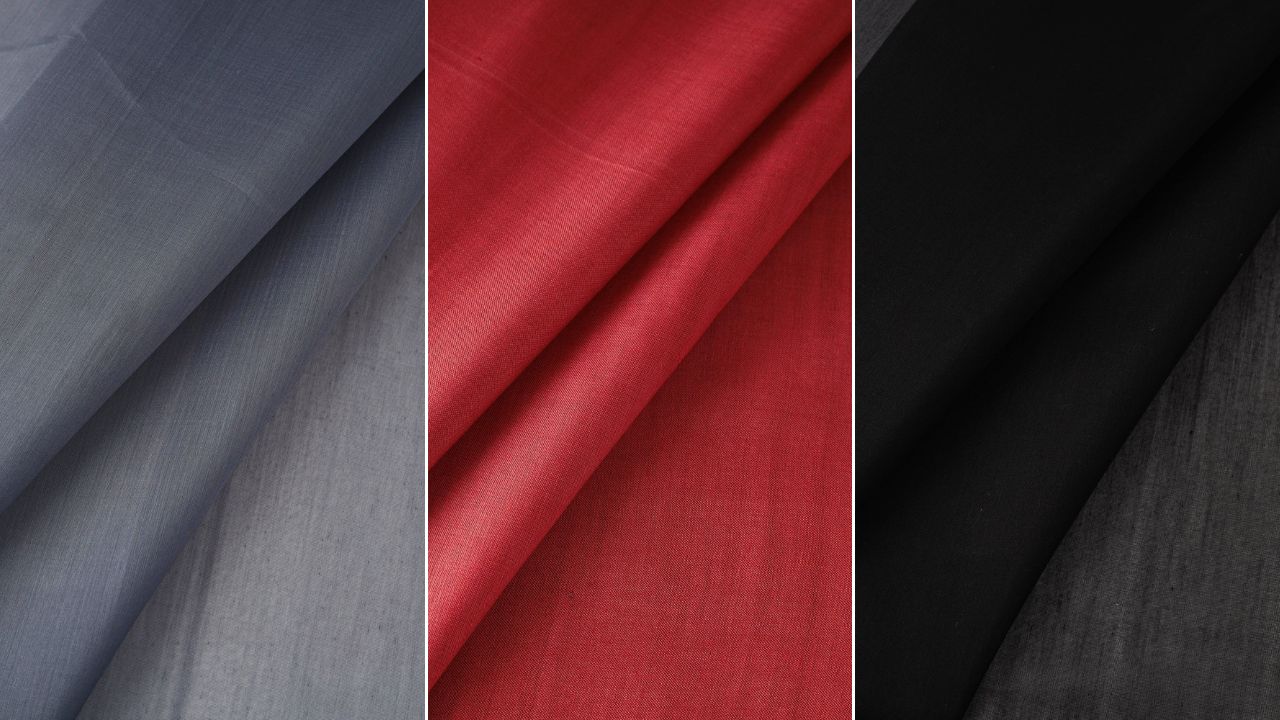
When it comes to choosing fabrics today, sustainability isn’t just a buzzword—it’s a responsibility. Whether you’re a designer, a DIY enthusiast, or simply someone who enjoys quality clothing and crafts, switching to sustainable fabric options is a meaningful step. And thanks to the convenience of the internet, you can now buy premium-quality fabric online without stepping out of your home.
But how do you ensure you’re picking sustainable fabric while shopping online? What materials are genuinely eco-friendly? And how can you tell if the supplier is authentic? Let’s break it all down.
Why Sustainable Fabrics Matter
Every time we choose fast fashion or synthetic materials, we leave behind a heavy environmental footprint. Fabrics like polyester are petroleum-based and take centuries to decompose. In contrast, sustainable fabrics are biodegradable, consume less water in production, and often support local artisans and ethical practices.
By buying sustainable fabric online, you’re reducing your carbon footprint, conserving resources, and supporting a cleaner planet—all while getting beautiful and durable textiles.
Key Sustainable Fabrics to Look For
When browsing fabric online, keep an eye out for the following eco-conscious materials:
1. Organic Cotton
Free from toxic pesticides and GMOs, organic cotton is one of the most eco-friendly choices. It’s gentle on the skin and ideal for everyday wear, baby clothing, and soft furnishings.
2. Bamboo Fabric
This naturally antibacterial and fast-growing plant is turned into soft, breathable fabric. It requires little water and no pesticides, making it an excellent sustainable option.
3. Linen
Made from the flax plant, linen is durable and biodegradable. Its production uses far less water than cotton and emits fewer greenhouse gases.
4. Hemp Fabric
Hemp is a powerhouse—it grows quickly, doesn’t deplete soil, and even absorbs CO2. The fabric is strong, gets softer with each wash, and is naturally resistant to pests.
5. Handwoven Khadi
Khadi is not just a fabric—it’s a movement. Spun by hand and woven without machines, it’s both sustainable and culturally rich. It supports rural communities and reduces environmental strain.
How to Buy Sustainable Fabric Online: What to Look For
Shopping for fabric online has its perks—variety, convenience, and access to artisan goods—but you have to shop smart. Here are a few tips to help you choose the right sustainable fabric online:
✅ Check Fabric Descriptions Thoroughly
Look for detailed descriptions that mention origin, weaving techniques, dyeing processes, and whether the fabric is organic or handmade.
✅ Prioritize Natural and Plant-Based Fibers
Whenever possible, choose fabrics made from cotton, silk, jute, hemp, or other plant-based fibers. These break down easily and are less harmful to the environment.
✅ Look for Certifications
Some online platforms provide certifications like GOTS (Global Organic Textile Standard), OEKO-TEX, or Fair Trade to assure sustainability. While not always necessary, these can be useful trust signals.
✅ Support Handmade and Artisan Textiles
Handblock prints, kalamkari, and other handwoven fabrics often involve traditional, low-impact production methods. They’re sustainable and culturally significant.
✅ Mind the Dye
Opt for vegetable-dyed or azo-free dyed fabrics. These processes are less polluting and safer for both the wearer and the environment.
Fabric Types to Avoid
While shopping fabric online, steer clear of these materials if you’re aiming for sustainability:
- Polyester: Made from petroleum and non-biodegradable.
- Nylon: High energy consumption and pollution in production.
- Acrylic: Often treated with toxic chemicals.
- Blended Fabrics (e.g., poly-cotton): Difficult to recycle and decompose.
Budgeting for Sustainable Fabric
It’s true—sustainable fabric can cost a bit more. But that extra cost reflects better environmental practices, ethical labor, and long-lasting quality. In the long run, you actually save by choosing quality over quantity.
To save while shopping sustainable fabric online, look for:
- Off-season sales
- Fabric remnants
- Limited edition or curated collections
Also, purchasing directly from ethical Indian marketplaces helps keep costs reasonable while supporting local weavers and artisans.
Creative Uses for Sustainable Fabric
If you think sustainable fabrics are only for garments, think again! Here are a few creative ways to use eco-friendly fabric online:
- Home décor: Use organic cotton or linen for cushion covers, table runners, or curtains.
- Gift wrapping: Ditch the plastic and use fabric scraps for stylish, reusable wraps.
- Crafts & DIY: Make fabric jewelry, bookmarks, tote bags, or wall hangings.
- Reusable products: Stitch your own makeup wipes, napkins, or grocery bags.
Conclusion: Where to Begin Your Sustainable Fabric Journey
Shopping for fabric online doesn’t have to be overwhelming. With the right knowledge, it becomes a meaningful, empowering experience. You get to support traditional artisans, choose eco-friendly practices, and wear fabrics that feel good—inside and out.
If you’re looking for a trusted place to start, itokri offers an impressive collection of sustainable fabrics, including handloom khadi, block-printed cotton, natural dyed linen, and eco-friendly blends. It’s a platform that supports local Indian artisans while promoting conscious shopping—making it a perfect companion on your sustainable fabric journey.
No responses yet